Commercial Crocodile & Alligator Leathers: Species, Differences & Tanning Insights
A comprehensive 1,500-word technical guide for global fashion designers, bespoke artisans, and luxury leather buyers.
1. Introduction: The Pinnacle of Luxury Materials
In the global market for high-fashion accessories and bespoke luxury goods, crocodilian leather has long held an unparalleled status. Reveled for its complex scale geometry, high tensile strength, and historical association with prestige, it is the material of choice for iconic handbags, premium footwear, and high-end upholstery. Major fashion houses—from Hermès and Chanel to Louis Vuitton and Gucci—rely on these exotic hides to create statement pieces that command astronomical prices. However, to the uninitiated consumer, all crocodilian leathers may seem identical. In reality, the commercial trade of crocodilian hides is divided into distinct species, each possessing unique biological features, scale structures, and tanning characteristics. Understanding these physical differences and processing attributes is essential for designers, artisans, and buyers to select the perfect leather for their specific applications.
The crocodilian family contains 23 different species, but only four are commercially traded in significant quantities for high-grade leather: the Saltwater Crocodile (Porosus), the Freshwater Crocodile (Siamensis), the American Alligator, and the Caiman. Each species presents a different set of properties, ranging from the ultra-supple and symmetrical scales of the Porosus to the rigid, heavily calcified armor of the Caiman. Selecting the right hide requires a deep understanding of their biological markers, scale patterns, and how these features behave during the complex processes of tanning, dyeing, and finishing.
Furthermore, sourcing ethical and legally compliant skins under the Convention on International Trade in Endangered Species (CITES) is a critical concern for modern manufacturers. By aligning with certified farms and tanneries, luxury brands can guarantee the legality of their sourcing while supporting conservation efforts that protect wild crocodilian populations and habitats.
2. Crocodylus Porosus: The Saltwater Crocodile
Commonly referred to as the Porosus crocodile, Crocodylus porosus is the largest living reptile and the most highly valued crocodilian species in the exotic leather industry. Primarily farmed or wild-harvested under strict CITES quotas in Australia, Indonesia, and Papua New Guinea, Porosus skins represent the absolute pinnacle of luxury hides. A single Grade-1 Porosus skin can cost several thousand dollars before it even reaches the cutting table.
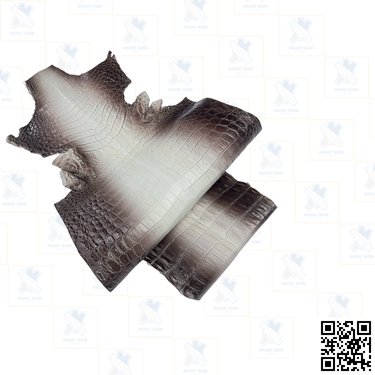
Figure 1: High-grade Porosus / Siamensis Crocodile Belly Skin with symmetrical square scale alignment.
The primary distinguishing feature of a Porosus hide is its exceptional scale symmetry. The belly scales are small, square, and form a remarkably uniform grid that transitions smoothly into smaller, rounded scales along the flanks (sides). Furthermore, Porosus crocodiles possess a distinct biological marker: a microscopic pore near the edge of each scale, known as the Integumentary Sensory Organ (ISO) pore. These sensory organs, which the animal uses to detect pressure changes in water, remain visible on the tanned leather as tiny pinpricks. The skin of the Porosus is relatively thin and pliable because it has very low calcium deposits (osteoderms) within the scales, making it highly flexible and ideal for luxury handbags, wallets, and straps.
Because of this pliability, Porosus leather is highly receptive to both glazed and matte finishes. Tanners can shave the hides to a thinness of just 0.6mm for garment applications, or reinforce it for structured luggage. The combination of structural integrity, aesthetic perfection, and limited global supply places Porosus crocodile at the very top of the exotic leather hierarchy.
3. Crocodylus Siamensis: The Siam Crocodile
Crocodylus siamensis, or the Siam crocodile, is a freshwater species native to Southeast Asia, particularly Vietnam, Thailand, and Cambodia. Vietnam is home to some of the world’s most advanced Siamensis farming facilities, including the Ngoc Son Tannery, which strictly adheres to CITES certification and sustainable farming practices.
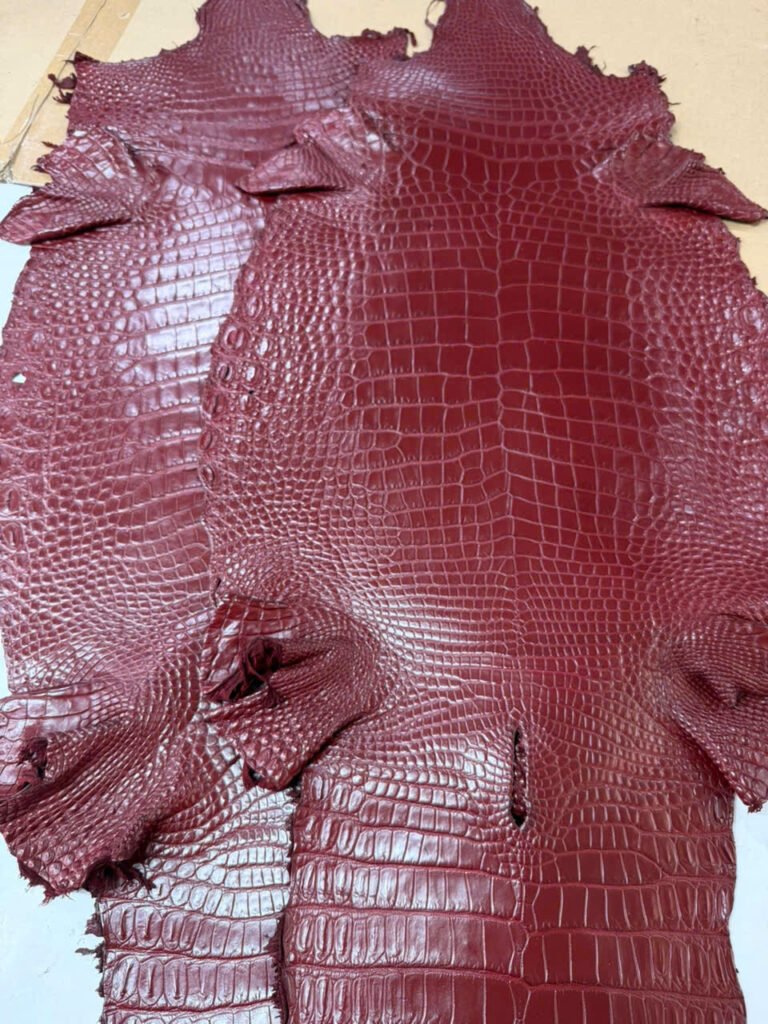
Figure 2: Siamensis Crocodile Leather dyed in an elegant glazed Burgundy Red finish.
Siamensis leather is highly sought after for its softness, pliability, and competitive pricing compared to Porosus. Visually, the scale pattern is slightly less uniform than Porosus, with larger belly scales that transition into a mix of rectangular and oval flank scales. Like the Porosus, Siamensis scales feature microscopic ISO sensory pores. The absence of prominent bony calcium deposits (osteoderms) in the belly area allows the skin to be split and shaved thin during the tanning process without cracking. This makes Siamensis leather incredibly versatile, yielding highly flexible hides that are perfect for garment manufacturing, footwear, upholstery, and structured small leather goods.
For mid-to-high tier luxury markets, Siamensis represents the optimal balance of quality and cost. The skin behaves identically to Porosus in dye absorption, allowing tanners to create vibrant jewel tones, rich metallics, and premium dual-tone effects like the Himalaya and Millennium finishes. It has become a dominant force in the international leather industry, supplying top-tier brands across Europe and Asia.
4. Alligator Mississippiensis: The American Alligator
The American Alligator, Alligator mississippiensis, is native to the southeastern United States, with major populations in Louisiana and Florida. Alligator leather is widely considered a premier luxury material, standing shoulder-to-shoulder with Porosus crocodile in terms of prestige and price.
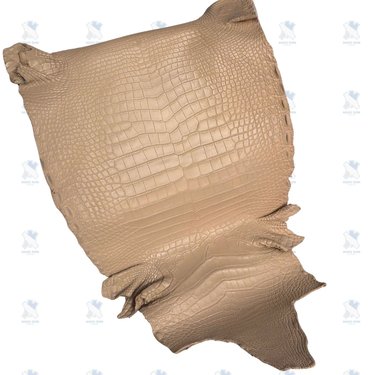
Figure 3: Premium Alligator / Crocodile Belly Hide showing the smooth transitions of scale sizes.
Alligator leather is easily distinguished from crocodile leather by a few key characteristics. First, alligators do not have ISO pores. Their scales are completely smooth and lack the tiny pinprick sensory dots. Second, the belly scales of an alligator are more rectangular than square, and the transition from the belly to the flanks is much more abrupt, going from large rectangles to small, tight circular scales. Third, alligators possess an umbilical scar, a narrow, spider-web-like pattern located on the lower belly. High-end designers often place this scar in a prominent position on the product (such as the front of a wallet or the center of a bag) to authenticate the use of genuine American Alligator leather.
In addition, Alligator skin is highly flexible and has even fewer osteoderms than Porosus. This makes it extremely soft to the touch and easy to stitch, which is why it is preferred for luxury watch straps and slim credit card holders. Alligator skins are primarily sourced from regulated harvesting programs managed by the US Fish and Wildlife Service, making them highly traceable and environmentally sound.
5. Caiman Crocodilus: The Caiman
The Caiman, primarily Caiman crocodilus, is native to Central and South America. Caiman leather is the most abundant and lowest-priced crocodilian leather in the global market. It is widely used by entry-level brands and for mass-produced items like western boots, belts, and embossed-style leather accessories.
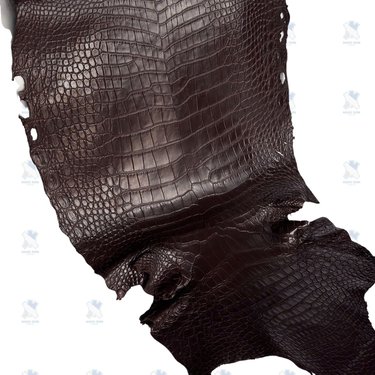
Figure 4: A structured crocodile / caiman leather hide with heavy natural texture and rigidity.
Caiman leather is defined by its heavy osteoderms (calcium deposits). These bony deposits act as a natural armor for the animal, but they pose significant challenges during the tanning and manufacturing processes. The calcium makes Caiman skin rigid, stiff, and prone to cracking if folded or bent. When Caiman leather is dyed, the bony plates do not absorb dye in the same way as the surrounding soft skin, creating a highly textured, sometimes wrinkled or multi-toned appearance. While Caiman leather lacks the softness required for premium handbags, its rugged texture and durability make it popular for structured cowboy boots, gun holsters, and thick belts.
Because caiman skins are difficult to work with, they require specialized tanning procedures. Tanneries must use chemical de-calcification agents to soften the bone plates as much as possible, though the finished product will always retain a distinct stiffness. Caiman skins are also commonly embossed with artificial textures to mask structural flaws, serving as a budget-friendly option for consumers wanting the crocodilian look without the high price tag.
6. Comparative Analysis of Commercial Species
To help designers and manufacturers make informed decisions, the table below outlines the core biological and physical characteristics of the four major commercial crocodilian leathers:
| Species Name | ISO Pore Presence | Umbilical Scar | Rigidity & Hardness | Primary Applications | Market Tier |
|---|---|---|---|---|---|
| Porosus Crocodile | Yes (Highly Visible) | No | Extremely Pliable / Soft | Haute Couture Bags, Fine Straps | Ultra-Premium |
| Siamensis Crocodile | Yes (Visible) | No | Pliable & Soft | Handbags, Shoes, Garments | Premium / Luxury |
| American Alligator | No | Yes (Distinct) | Very Pliable / Soft | Bespoke Footwear, Wallets, Bags | Ultra-Premium |
| Caiman | No | No | Very Rigid & Stiff | Cowboy Boots, Heavy Belts | Entry-Level / Mass Market |
7. Tanning, Dyeing & Finishing Techniques
Transforming a raw crocodilian hide into a supple, luxurious sheet of leather is a highly complex process requiring weeks of skilled labor and advanced chemical engineering. The process begins with **preservation**, where freshly harvested skins are immediately salted and kept in cold storage to prevent bacterial decay. At the tannery, the hides undergo **liming**, which removes the outer scales, scales sheath, and fats. They are then neutralised and subjected to **bating** to soften the fibers.
The **tanning stage** typically utilizes basic chromium salts (chrome tanning) to ensure maximum pliability, heat resistance, and color vibrancy. For niche products, vegetable tanning extracts (quebracho, mimosa) may be used to yield a firmer, natural leather. Once tanned, the hides are known as “wet blue” and are graded based on defects (such as scars, insect bites, or cuts). Hides with zero blemishes are reserved for the highest grade (Grade 1) and are destined for high-fashion handbags, while lower grades are used for shoes, belts, or smaller leather goods.
The final stage is **finishing**, which defines the final appearance and texture of the hide:
- Glazed Finish: Hides are coated with natural proteins (like egg whites) and polished under high pressure using a smooth cylindrical agate stone. This process heats and compresses the skin, creating a glossy, mirror-like shine and bringing out the natural color depth.
- Matte Finish: Hides are treated with natural oils, waxes, and synthetic softeners to maintain a velvety, low-sheen surface. The matte finish is highly prized for its soft feel and is increasingly popular in contemporary luxury designs.
- Himalaya Finish: A highly technical, dual-tone dyeing process that replicates the snow-capped look of the Himalayan mountains. The center of the belly is bleached to a pure white or nude, while the sides are dyed a smoky grey or brown. This finish is exceptionally difficult to execute and represents the pinnacle of tanning craftsmanship.
During the dyeing process, the natural biological characteristics of each hide come to the forefront. Highly pliable skins like Porosus and Siamensis absorb pigments uniformly, resulting in deep, rich colors. Rigid skins like Caiman often require specialized drumming techniques to force the dye into the hard calcified plates, demonstrating why tanning chemistry is as much of an art form as it is a science.
8. Ethical Sourcing & CITES Compliance
Because crocodilians were once threatened by overhunting, the international trade of their hides is heavily regulated under the Convention on International Trade in Endangered Species of Wild Fauna and Flora (CITES). Every legitimate transaction of crocodilian leather must be accompanied by official CITES permits proving the hide was legally sourced from a certified sustainable farm or controlled wild-management program. Ethical tanneries, such as Ngoc Son Leather, play a vital role in wildlife conservation. By providing a legal, regulated market for farmed hides, they eliminate the incentive for illegal poaching and support local communities. When purchasing luxury crocodilian products, buyers must ensure the brand provides CITES documentation, verifying the item’s legal and ethical origin.
The CITES framework operates through a system of import and export permits, ensuring that trade does not threaten the survival of the species in the wild. Farms are regularly audited by environmental agencies to verify that animals are reared in humane conditions and that the harvesting levels do not negatively impact the local ecosystem. By choosing certified suppliers, fashion houses and luxury consumers actively participate in a sustainable economy that values wildlife preservation and community welfare.
9. Conclusion: Choosing the Right Hide
Selecting the right crocodilian leather depends entirely on the design requirements, target budget, and desired aesthetic. For ultra-luxury handbags and accessories where scale symmetry and soft draping are paramount, **Porosus crocodile** and **American Alligator** remain the gold standard. For high-end designs requiring flexibility, beautiful coloration, and excellent value, **Siamensis crocodile** offers an outstanding alternative. Meanwhile, for rugged, structured items like boots and belts, **Caiman leather** provides a unique, highly textured aesthetic. By understanding the biological markers and processing attributes of these species, designers and luxury enthusiasts can truly appreciate the craftsmanship and heritage embedded in every exotic leather creation.