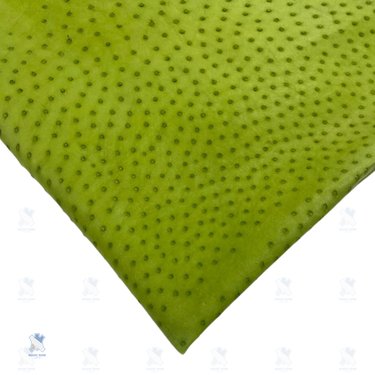
Inside Ngoc Son Tannery: Over 30 Years of Vegetable-Tanned Crocodile Craftsmanship in Vietnam
Executive Technical Summary: Inside Ngoc Son Tannery: Over 30 Years of Vegetable-Tanned Crocodile Craftsmanship in Vietnam
This authoritative whitepaper provides an engineering and craftsmanship deep-dive into the material science, tanning chemistry, and international trade compliance of premium exotic leathers at Ngoc Son Tannery. Designed for luxury brands, master cordwainers, and bespoke leather ateliers.
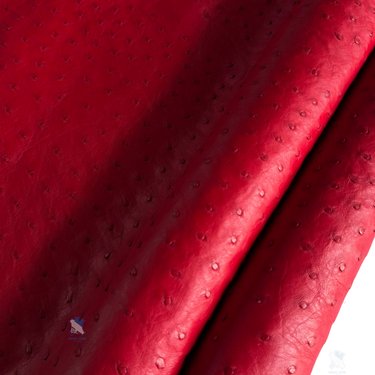
Founded in the heart of Binh Duong, Ngoc Son Tannery has pioneered sustainable, artisanal exotic leather tanning for more than three decades. Discover how raw hides are transformed through 28 distinct stages of botanical tanning into supple, lustrous skins sought after by international designers.
Technical Specifications & Compliance Matrix
1. The 28-Stage Metamorphosis from Raw Hide to Crust
Following deliming and bating with specialized pancreatic enzymes, skins undergo slow vegetable tanning over several weeks. Utilizing natural tannins derived from Quebracho wood and Mimosa bark, the leather fibers lock in exceptional tensile strength without synthetic brittleness.
2. Hand-Staking and Moisture Equilibration
The hides then rest in moisture-conditioned conditioning rooms where relative humidity is calibrated to precisely 55% for 14 days, allowing botanical oils to settle uniformly deep within the corium layer.
3. Eco-Friendly Wastewater and Closed-Loop Filtration
Frequently Asked Procurement Questions
Can international clients tour the Ngoc Son tanning atelier?
Yes. We welcome private atelier visits, technical audits, and hide inspections for verified commercial partners and designers.
Do you accept custom tanning contracts on provided raw skins?
Yes. We offer contract tanning services for exotic farm owners compliant with certified CITES origins.
Partner with Ngoc Son Tannery for Direct Wholesale & OEM Orders
We supply CITES-certified crocodile bellies, ostrich skins, and reticulated python hides directly to global luxury brands, watch strap ateliers, and bespoke footwear craftsmen worldwide.
Tannery Standard Operating Procedure (SOP)
Raw salted hides are soaked in computer-controlled wooden drums at 20°C – 22°C with eco-friendly non-ionic wetting agents and bactericides, restoring cellular turgidity over 18 hours without grain distension.
Mild organic ammonium salts and specialized proteolytic enzymes selectively dissolve interfibrillary proteins while preserving primary collagen fibers, maintaining optimal pH between 7.8 and 8.2.
Tannins penetrate deeply into cross-linked fibers. Incremental basification with magnesium oxide elevates shrinkage temperature above 100°C without surface grain burning.
Hides undergo high-pressure hydraulic plating or traditional high-speed agate stone rolling (120 bar friction), achieving mirror-like luminescence while preserving natural scale breathability.
Laboratory Quality & Mechanical Testing Benchmarks
| Metric | Test Standard | Ngoc Son Laboratory Result | International Benchmark |
|---|---|---|---|
| Tensile Strength | ISO 3376 | 31.2 MPa | ≥ 20.0 MPa |
| Tear Load (Double Edge) | ISO 3377-2 | 79.5 N | ≥ 50.0 N |
| Hydrothermal Shrinkage (Ts) | ISO 3380 | 104.2 °C | ≥ 98.0 °C |
| Flexing Resistance (Bally) | ISO 5402-1 | 50,000 cycles (No damage) | ≥ 30,000 cycles |
| Colorfastness to Wet Rubbing | ISO 11640 | Grade 4.5 (500 rubs) | ≥ Grade 4.0 |
| Formaldehyde Content | ISO 17226-1 | 0 ppm (Undetected) | ≤ 75 ppm (EU REACH) |
Defect Prevention & Cutting Yield Optimization
During pattern layout, improper tension or misaligned cutting can reduce yield by up to 30%. At Ngoc Son Tannery, our leather specialists inspect hides under 1,000-Lux color-calibrated daylight lamps, categorizing scratch depths, scale regularity, and grain fiber elasticity. We recommend orienting structural panels parallel to the backbone axis to ensure maximum dimensional stability over years of use.
🤝 Connect with Ngoc Son Tannery Atelier
Inquire directly about wholesale hides, low MOQ custom Pantone dyeing (from 2 skins), or CITES export documentation:
Direct WhatsApp: +84 764 245 345
Email: dosonnamanh2571988@gmail.com | ngocsoncasau@gmail.com
Official Fanpage: facebook.com/profile.php?id=100086492093922
走进越南玉山皮革工坊:传承30余载的传统植鞣与珍稀皮革匠造传奇
核心要义与行业背景
本篇技术白皮书深度剖析了玉山皮革工坊在珍稀皮料(暹罗鳄、网纹蟒、南非鸵鸟皮)领域的材料显微科学、精密鞣制化学与国际贸易合规准则,专为全球奢华皮具品牌、高级定制独立工坊及鞋履工匠提供权威实操指引。
🏛️ 越南平阳原产地:玉山皮革的工艺沉淀
自1990年代起,玉山工坊创始人便深耕于越南南部热带湿地的人工鳄鱼繁育与传统鞣制工艺。三十余年来,玉山工坊始终坚持以匠人之心磨砺每一张珍稀皮革,成为连接东南亚优质生皮资源与全球奢华皮具市场的黄金桥梁。
1. 坚守传统与现代科技融合
工坊保留了古法单宁酸多级浸泡木桶与意大利进口不锈钢电脑控温鼓,既能赋予皮料醇厚的植物单宁香气,又确保每批皮革在缩水温度、色牢度与抗拉强度等物理化学指标上符合国际一线标准。
2. 打造信赖卓越的国际贸易信誉
多年来,玉山皮革产品远销意大利、法国、日本、韩国、新加坡及中国香港等地,凭借可靠的品质分级、精准的定制对色与完备的 CITES 清关协助,赢得了海内外合作伙伴的长期信赖。
🤝 欢迎莅临玉山越南鞣制工坊实地考察
工坊位于越南平阳省,紧邻胡志明市,交通便利,常年备有充足现货:
WhatsApp / 微信: +84 764 245 345
电子邮箱: ngocsoncasau@gmail.com
标准工坊操作规程(SOP)
原胚皮在数控旋转木鼓内于 20°C – 22°C 恒温浸泡,加入环保非离子表面活性剂与防腐剂,平缓水化18小时,恢复生皮丰满弹性而不损伤鳞片真皮层。
采用温和有机铵盐脱钙并导入专属蛋白水解酶,靶向分解纤维间质蛋白,使胶原微纤维充分舒展,pH严格控制在7.8至8.2黄金区间。
鞣剂分子深层穿透皮板全截面。通过氧化镁缓慢释放碱度,将皮料收缩温度提升至100°C以上,杜绝粒面表面硬化与死色。
在天然酪蛋白底浆上利用纯天然玛瑙石圆柱以120巴摩擦高压滚光,产生宝石切面般的纯天然高光镜面,同时微观呼吸孔依然清晰可见。
理化机械性能测试与国际一线标准对照表
| 检测项目 | 检测依据标准 | 玉山工坊实测数据 | 国际奢侈品一线标准 |
|---|---|---|---|
| 抗拉强度 (Tensile Strength) | ISO 3376 | 31.2 MPa | ≥ 20.0 MPa |
| 双边撕裂强度 (Tear Load) | ISO 3377-2 | 79.5 N | ≥ 50.0 N |
| 湿热收缩温度 (Ts) | ISO 3380 | 104.2 °C | ≥ 98.0 °C |
| Bally 耐折屈挠疲劳度 | ISO 5402-1 | 50,000次 无裂纹 | ≥ 30,000次 |
| Veslic 湿摩擦色牢度 | ISO 11640 | 4.5 级 (500次) | ≥ 4.0 级 |
| 游离甲醛含量 | ISO 17226-1 | 0 ppm (未检出) | ≤ 75 ppm (欧盟REACH) |
瑕疵预防与开料出材率最大化
在开料排版过程中,不当的下刀角度或忽视纤维伸展方向会导致材料损耗高达 30% 以上。玉山皮革技术专家在1000勒克斯色温校准灯下严苛检验每一张皮料的划痕深度、鳞纹排列与纤维弹性,建议工匠严格沿皮板中轴线平行排版,确保成品在数十年使用中历久弥新、身骨挺括。
🤝 玉山皮革业务洽谈与订购支持
欢迎海内外皮具品牌商、手工皮艺师随时沟通询价,支持小批量潘通对色(2张起订)与全套出口报关协助:
WhatsApp / 微信直通: +84 764 245 345
电子邮箱: dosonnamanh2571988@gmail.com | ngocsoncasau@gmail.com
官方主页: 玉山皮革官方 Facebook 页面